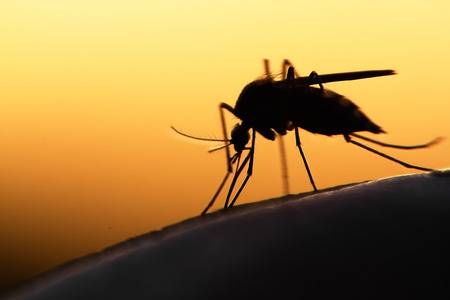
In 2017, there were 219 million cases of malaria and 435 000 malaria-related deaths worldwide. The best way to control malaria is to prevent infection in the first place. We are putting the spotlight on the root cause of the problem – mosquitoes.
Mosquitoes are the world’s deadliest animal, acting as “vectors” for hundreds of diseases. There are thousands of mosquito species in the world. About 40 of them can carry malaria.
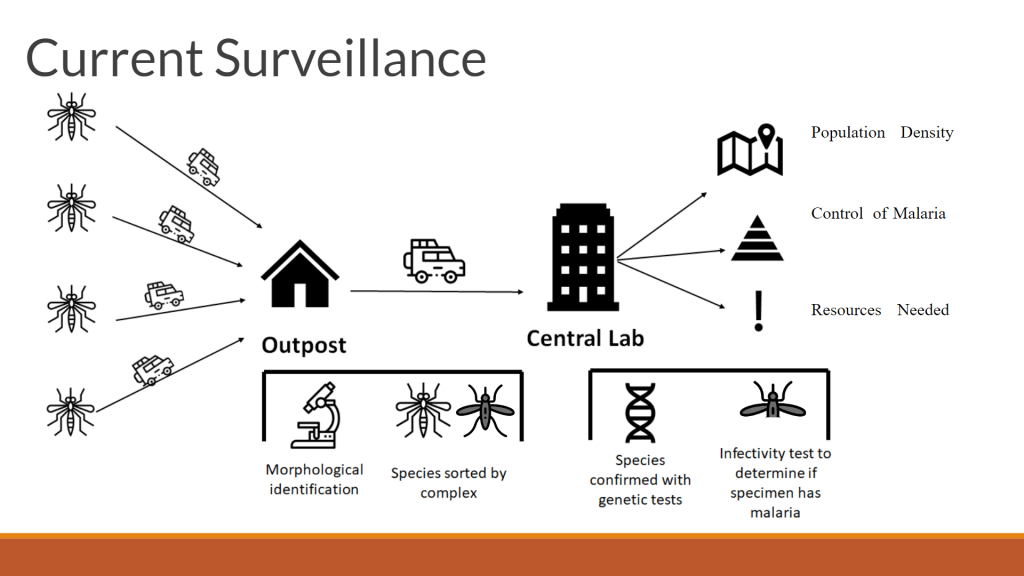
Vector control is all about intervening at the source to limit or eradicate animals that transmit diseases pathogens. The greatest challenge in vector control is determining when and where an intervention is needed and necessary. Our goal is to optimize this process so more timely, effective interventions can be deployed.
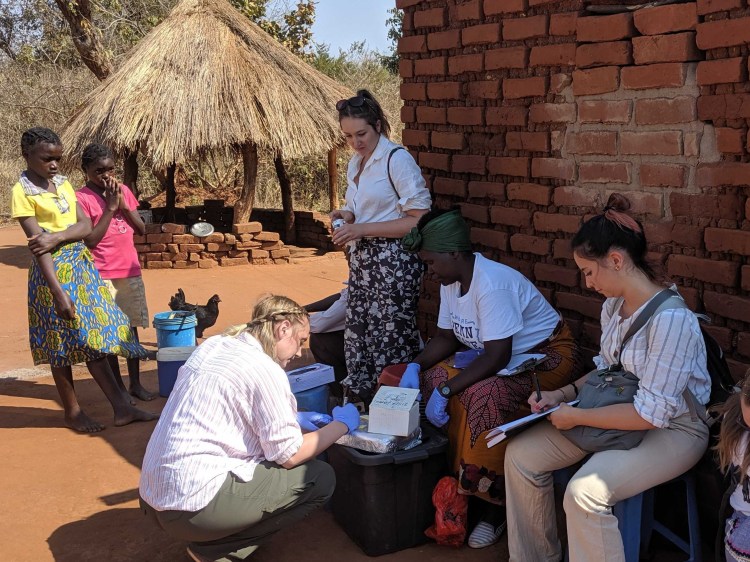

A major barrier to combatting malaria is slow and inaccurate mosquito speciation (i.e. determining if a mosquito is one of the species that carries malaria).
With insecticide resistance increasing and climate change influencing mosquito distribution patterns in an unpredictable manner, accurate and timely vector data is critical now more than ever.
View our Solution

 ByteSight